Ask the Expert: What You Should Know Before Oil Flushing
As featured in Machinery Lubrication and Reliable Plant
Flushing is a key part of contamination control, but the right service depends on the situation. In a recent
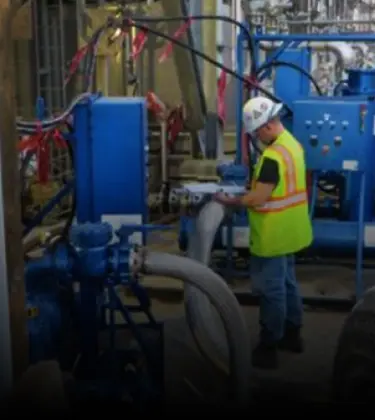
Ask the Expert feature, Machinery Lubrication spoke with John Bonner, Field Services Business Development Manager at Oil Filtration Systems. Bonner has more than 25 years of experience, and he explains how to decide when a lubrication system needs flushing and which approach to use.
Key takeaways:
Start with the situation. New piping, a bearing failure, a change of oil product, and suspected varnish each call for a different type of flush.
Opened equipment needs a flush, even without a known problem. Whenever a turbine or compressor is opened for inspection or repair, dirt and debris can get in unnoticed. A high-velocity oil flush before startup removes what you can’t see.
Varnish needs its own approach. Sticking servo valves and rising bearing temperatures are warning signs. A customized varnish flush with the right cleaning agent is often the most cost-effective fix. MPC testing can flag varnish potential before it plates out.
Clean oil doesn’t mean clean piping. One of the biggest misconceptions is that a flush should take only a few hours. Particles stuck to pipe walls take time to dislodge.
Oil analysis drives better decisions. A consistent oil analysis program, read correctly, catches problems before they become failures.
The full article also covers EHC system flushing, product changeovers, and best practices for cleaning reservoirs.
Also published in Reliable Plant
Planning an outage, startup, or oil changeover? Talk to the OFS Field Services team